
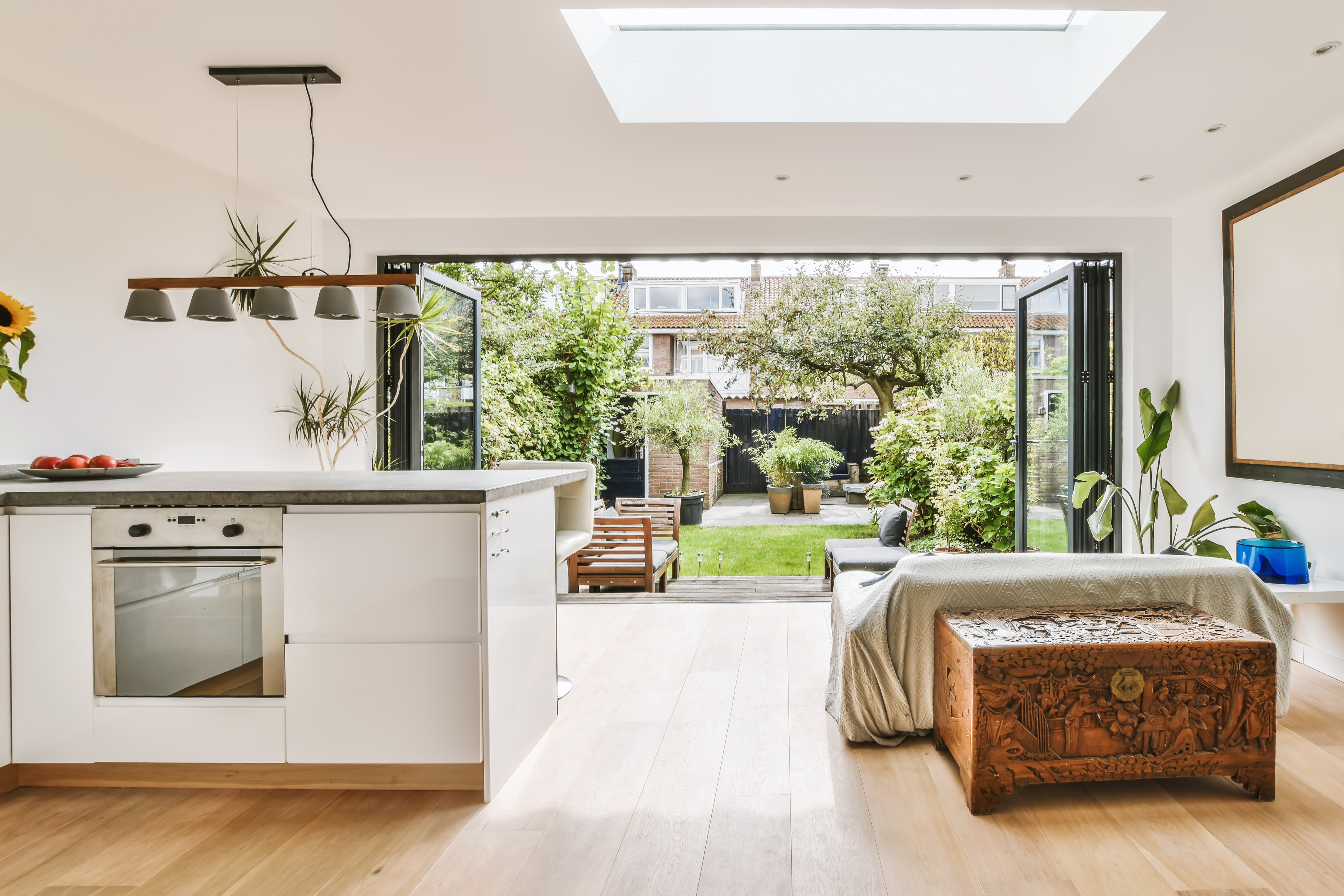
A step-by-step guide to each stage of renting a property.


From working out your budget to understanding your tenancy agreement, this guide takes you through the main steps of renting a home.
Perhaps the biggest question of all. Set yourself a price range and work out what you can afford by week and by month — remember, there are more than four weeks in a calendar month; about 4.3, to be precise.
Before your search begins, list the things that really matter to you: the type of property and the kind of neighbourhood you really want to live in. Decide what’s essential, and what’s just ‘nice to have.’ A leafy area? Close to town or a park? Do your research: get out there and walk around. Visit cafes and shops to get a feel for the place. Don't forget to explore transport links, too – it can be a deal-breaker!
Most landlords look for tenants who can move in within 2-8 weeks, so make sure you’re going to be ready in time. Gibbs Gillespie has an online search facility: just enter the area, postcode or street name to find suitable properties – we update the database every two hours. You can also register your interest in a specific property online or by dropping into your local branch.
Found a property that you like? Ask Gibbs Gillespie for a viewing. We think it’s best to see a place in the daylight, but as we’re open until 6.30 pm on weekdays, you can ask to look after work — and we’re open Saturdays!
Look beyond the presentation to check whether the home meets your needs.
Now that you've decided on your home to rent, you move to ‘letting agreed’ status. We inform the landlord you’d like to rent the property and check your references. Once everything is agreed you will need to pay the rent in advance and offer the landlord either a security deposit or a Zero Deposit Guarantee.
We handle your paperwork, including the tenancy agreement you and the landlord sign. You can be assured we’re always available to answer any questions you may have. The Tenancy Agreement sets out how long you’ll rent the property for, how much rent you’ll pay and when you’ll pay it. The agreement outlines your responsibilities for bills and maintenance. Furthermore, your landlord's obligations, and your rights as a tenant, will be in there too.
Start with an up-to-date valuation and a conversation with your local Gibbs Gillespie team.
If you are moving out our independent inventory company will check the property on the last day, and we’ll be around to take your keys on check out. Leaving the property in good order means you’ll be entitled to your full deposit back as agreed, about ten days after the release of the deposit.
As well as your monthly rent, you’ll need to budget for household bills, council tax, moving costs and a tenancy deposit. Make sure you understand the total costs before committing to a property.
Browse our latest rental properties online or contact your local Gibbs Gillespie branch. Our lettings team can help you find a home that matches your requirements and budget.
Once you’ve submitted your application, our team will guide you through the referencing process, explain any required documentation and help you complete the necessary steps before moving in.
Read your tenancy agreement carefully, paying particular attention to the rent, payment dates, deposit, maintenance responsibilities and other terms. If anything is unclear, ask our lettings team before signing.
You’ll need to follow the notice requirements that apply to your tenancy. Contact your property manager or local branch for guidance on giving notice, arranging your check-out and understanding the process for returning your deposit.
Whether you need a valuation or want to speak to our team, we’re here to help.