

Condensation is one of the most common causes of damp and mould in UK homes, particularly during autumn and winter. It happens when warm, moist air meets a cold surface, such as a window or external wall. Although some condensation is difficult to avoid, persistent moisture can lead to mould, damage to your property and potential health problems. Understanding what causes condensation, how to prevent it and when to seek professional help is important for homeowners, landlords and tenants alike.
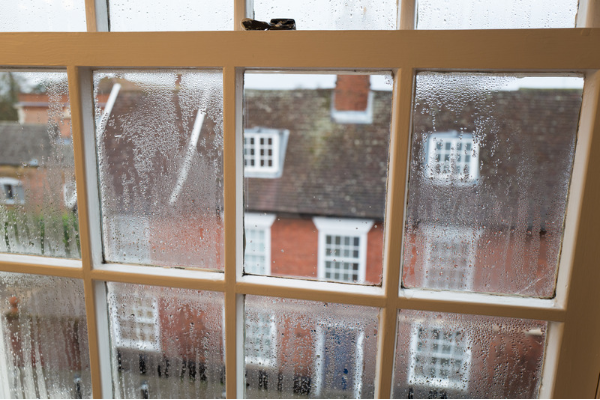
When warm air can’t escape from a property, it will settle on cold surfaces and form water droplets, known as condensation. If a home is properly heated, insulated and ventilated, this shouldn’t happen, but because people tend to keep windows shut in colder months and heating isn’t always maintained at the level required to mitigate condensation, a little of it is almost impossible to avoid through the late autumn and winter months.
Where does warm vapour come from in the home?
The most obvious source of water vapour is from hot water, so boiling a kettle, using the shower, cooking on the hob and using a dishwasher will all contribute to damp air inside a property. There’s also the moisture that evaporates if you are drying clothing and other washing, and the vapour every person releases when they breathe.
As a rough guide, during an average day of living and using the facilities in your home, you will generate over 5 pints of water vapour yourself - almost a pint of which is just from breathing! For an average family of four, that’s around 20 litres of water a day, and if there’s nowhere for it to go, it will condense on cold surfaces, most commonly windows and external walls.
Why is condensation a problem?
If condensation is wiped away, you shouldn’t have any issues. But if it’s left, and the property becomes damp, the microscopic mould spores that naturally float in the air will land on these moist surfaces and quickly grow into visible mildew or mould.
If mould grows and spreads, it can not only damage furniture and belongings, but also cause dust mite infestations and in some cases, present a health risk to anyone living in the property. When mould spores and dust mite faeces are inhaled, they can lead to breathing issues, allergic reactions and asthma attacks, and if the mould problem is left untreated for long enough, the worst-case scenario is death.
Awaab’s Law
Following the tragic death of a two-year old boy, Awaab Ishak, in Rochdale in 2020, ‘Awaab’s Law’ was introduced for social housing in 2023 and came into force in October 2025:
• Where significant damp and mould is reported, landlords have 10 days to investigate, which must include a property inspection by a suitably qualified person and any specialist surveys required.
• The landlord must provide the tenant with a written summary within 3 days of the investigation.
• Required safety work must be completed within 5 days of the investigation – if this isn’t possible, the tenant must be temporarily rehoused at the landlord’s expense.
• Completion of further works to stop the issue recurring must be completed within a reasonable timeframe.
Awaab’s Law came into force in Scotland for both social and private landlords on 6th October 2026, and will be applied to the private rented sector in England under the Renters’ Rights Act in due course. A consultation was opened on 9th October, seeking views on how best to do this “in a way that is fair, proportionate and effective for both tenants and landlords”.
Meanwhile, landlords are still obliged to keep their properties free from hazards, and any reports of damp and mould must be taken seriously and remedied within a reasonable timeframe.
Identifying and treating mildew and mould
Mould is often the first visible sign that a property is damp, and there are two types:
• Mildew presents as white or grey spots that have a dry, powdery texture and a musty odour, similar to damp towels. Typically, it grows on top of materials and it relatively easy to remove.
• Mould is usually fuzzy or slimy, with a stronger smell, and it burrows into materials, which can make it harder to get rid of.
While untreated condensation will cause mould, it’s important to investigate whether there is another cause, such as penetrating or rising damp. And although it’s possible to get rid of mildew and less serious cases of mould by cleaning and using bleach and anti-fungal sprays, you need to make sure the issue has been completely eliminated and won’t come back.
So, if you notice black/grey spots and patches around windows or on skirting or walls, it’s advisable to contact a specialist company that can diagnose and treat the problem properly, and advise you how to protect your property in the future. You can find a local specialist via directories of vetted contractors like MouldPros or the Federation of Damp, but always make sure any contractor you engage has valid public liability insurance and can provide evidence of appropriate training and experience.
Worried about condensation, damp or mould in your property?
The good news is that many condensation problems can be prevented or managed with the right heating, ventilation and insulation. However, if damp or mould keeps returning, it's important to establish what's causing it rather than simply cleaning away the visible signs.
If you're a homeowner, consider seeking advice from a suitably qualified damp and mould specialist. If you're renting, report any problems to your landlord or letting agent as soon as possible so they can investigate and arrange any necessary repairs.